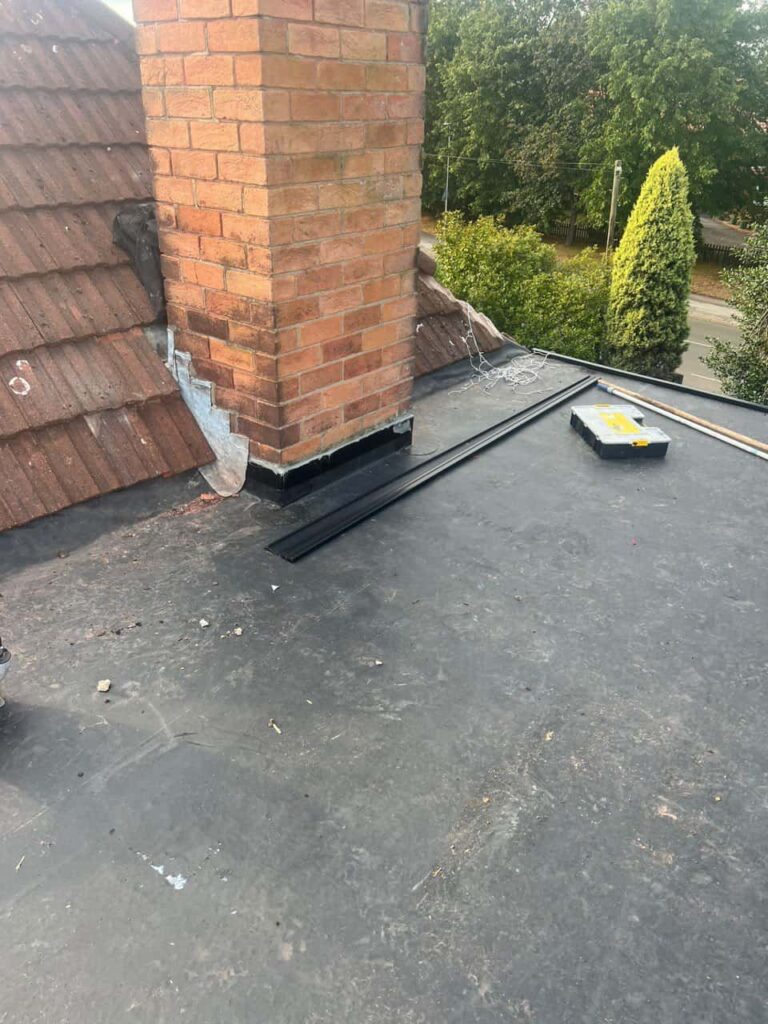
Replacing a roof is an opportunity to do more than renew the tiles or slates. Other components, including flashing, underlay, roof battens and guttering, can also deteriorate over time. If these parts are nearing the end of their useful life, leaving them in place during a roof replacement could lead to further repairs later.
For homeowners in Sturminster Newton, Dorset, considering the condition of the entire roofing system can help ensure that a new roof provides reliable protection for years to come. Knowing which components may need replacing allows you to make informed decisions before the work begins.
Why Should You Assess the Whole Roof Before Replacing It?
A roof is made up of several components that work together to keep rainwater out and protect the property from the elements. Although the external covering is the most visible part, the materials beneath it and the surrounding drainage system are equally important.
If an ageing roof is replaced without addressing other damaged components, existing weaknesses may remain. For example, new tiles will not resolve a problem caused by deteriorated flashing or defective roof timbers.
A professional roof inspection can identify which parts need replacing, which remain in suitable condition and where additional attention may be beneficial.
Roof Underlay and Battens
Roof underlay sits beneath the tiles or slates and provides an additional layer of protection against wind-driven rain and moisture. Older underlay can become brittle, torn or less effective over time.
Roof battens support the tiles or slates and help keep them correctly positioned. If battens have deteriorated, become damaged by moisture or no longer provide adequate support, they may need replacing when the roof covering is renewed.
Because these components are generally hidden beneath the roof covering, a full roof replacement provides a practical opportunity to inspect them properly. Replacing defective underlay and battens can help ensure the new covering is installed on a sound foundation.
Roof Flashing
Flashing helps prevent water from entering vulnerable areas, including chimneys, roof valleys and junctions between different roof sections. It is particularly important because these points can be more susceptible to leaks than uninterrupted sections of the roof.
If existing flashing is cracked, loose, corroded or poorly fitted, it may be sensible to replace it during the roofing work. Installing a new roof while retaining defective flashing could leave an important source of water ingress unresolved.
A roofer can assess whether the existing flashing remains serviceable or whether replacement is the more suitable option.
Gutters and Downpipes
Gutters and downpipes carry rainwater away from the roof and direct it towards the appropriate drainage points. When they become blocked, cracked or poorly aligned, water may overflow and affect roof edges, external walls and other parts of the property.
If the existing guttering is already showing signs of deterioration, replacing it alongside the roof may help prevent drainage problems from undermining the benefits of the new covering.
However, replacement is not always necessary. Guttering that remains in good condition may only require cleaning, adjustment or minor repairs. The decision should depend on its actual condition and compatibility with the roof.
Fascias and Soffits
Fascias are fitted along the roof edge, while soffits cover the underside of the eaves. These components help protect the roof structure and provide a finished appearance around the perimeter of the property.
Damaged or rotting fascias and soffits can allow moisture to affect adjoining timberwork. They can also create problems where guttering is attached.
If these components are deteriorated, replacing them during roof works can help create a more complete and durable finish. If they remain sound, there may be no need to replace them.
Damaged Roof Timbers
Roof timbers support the structure and help carry the weight of the roof covering. Over time, leaks, persistent moisture or timber deterioration can affect their condition.
If damaged rafters or other structural timbers are discovered during a roof replacement, they should be assessed and repaired or replaced where necessary before the new covering is installed.
Not every older roof requires timber replacement. The important point is to identify any structural weakness and address it appropriately rather than covering up a problem that could affect the roof’s long-term performance.
Roof Ventilation and Insulation
A roof replacement can also provide an opportunity to assess ventilation and insulation within the roof space. Poor ventilation can contribute to condensation, which may cause dampness and affect timber over time.
Insulation may also be uneven, damaged or unsuitable for the existing roof arrangement. Any improvements should be considered alongside the ventilation requirements to help prevent moisture becoming trapped.
The correct approach depends on the roof design and the condition of the existing materials. A professional assessment can help identify whether any changes are necessary.
How to Decide What Needs Replacing
Not every roof component needs to be replaced at the same time as the roof covering. The most appropriate approach is to assess each part individually, considering its condition, expected remaining service life and suitability for use with the new roof.
Addressing defective components while the roof is being renewed can reduce the likelihood of having to disturb the new covering for avoidable repairs later. It can also help ensure that the different parts of the roofing system work together effectively.
At MCM Roofing Repairs Sturminster Newton, we can assess your existing roof, identify areas of deterioration and explain which components may benefit from repair or replacement.
Conclusion
Replacing a roof is an ideal opportunity to check more than just the tiles or slates. Underlay, battens, flashing, gutters, fascias, soffits and roof timbers may also need attention, depending on their condition. Ventilation and insulation should be considered where they could affect the roof’s long-term performance.
For homeowners in Sturminster Newton, Dorset, taking a complete approach to roof replacement can help prevent recurring problems and protect the property from water ingress. Contact MCM Roofing Repairs Sturminster Newton to arrange a roof assessment and find out which components may need attention as part of your roofing project.
Call us on: 01258 442 298
Click here to find out more about MCM Roofing Repairs Sturminster Newton
Click here to complete our contact form and see how we can help with your roofing needs.