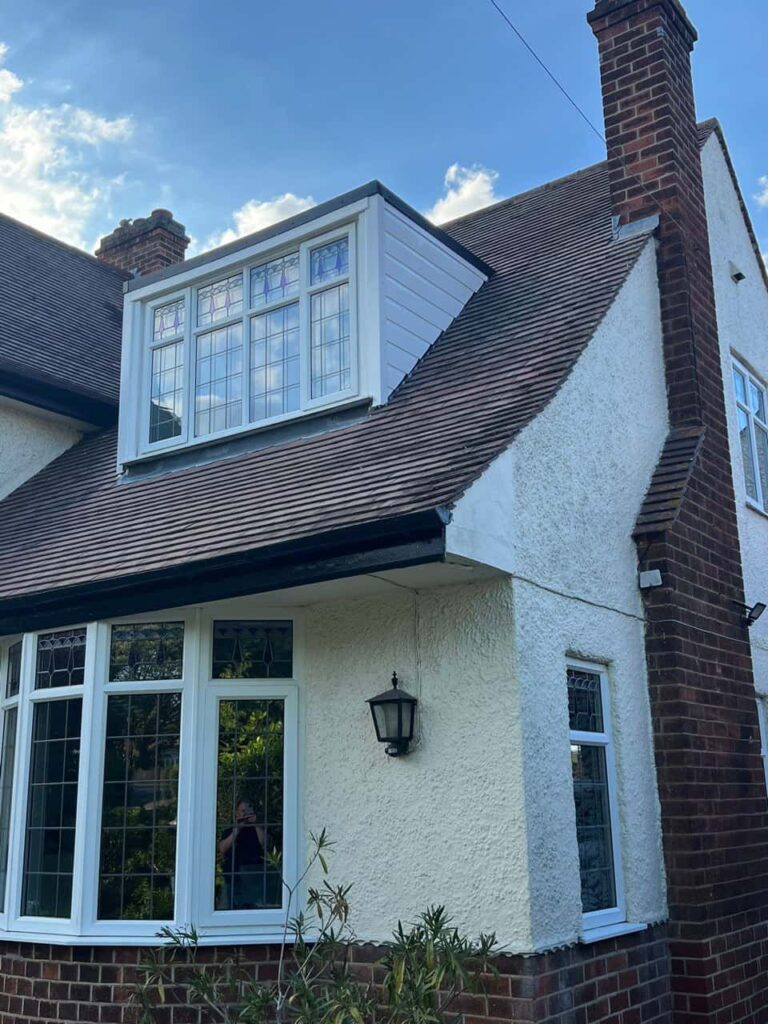
Roof damage often begins quietly. A slipped tile, cracked flashing or deteriorated section of underlay may not immediately cause water to drip through a ceiling. However, moisture can already be entering the roof structure and affecting concealed materials long before visible signs appear inside the property.
For homeowners in Sturminster Newton, Dorset, arranging an early roof inspection can prevent a localised defect from becoming a more extensive problem. It also gives a roofing professional the opportunity to identify the underlying cause while more of the existing roof remains sound.
Why Early Investigation of Roof Damage Matters
A roof is made up of several components that work together. Tiles or slates provide the main external covering, while the underlay, battens, flashing, fixings and structural timbers provide further support and weather protection.
Damage to one component can place greater pressure on the others. If the problem remains unresolved, repeated exposure to wind and rain may gradually enlarge the affected area.
Water Damage Can Develop Out of Sight
Water entering through a roofing defect does not always travel directly downwards. It can move along the underlay, rafters or battens before reaching a visible internal surface. The damp patch on a ceiling may therefore be some distance from the original entry point.
Before internal staining appears, moisture may already have affected:
- Roofing battens
- Rafters and other structural timbers
- Loft insulation
- Underlay and fixings
- Ceiling boards
- Electrical fittings within the affected area
Investigating the roof promptly helps limit the time these materials remain exposed to moisture.
Small Defects Can Become Larger Openings
A slightly displaced tile may initially leave only a narrow gap. Further wind can move it completely out of position, while rain can weaken surrounding battens or fixings.
Cracked mortar, damaged flashing and small tears in roofing felt can deteriorate in a similar way. Changes in temperature and repeated wetting can widen existing weaknesses, allowing more water to enter during subsequent rainfall.
Damp Insulation May Perform Less Effectively
Roof insulation depends on remaining dry and correctly positioned. When it becomes damp, it may compress, hold moisture and become less effective at retaining heat.
Wet insulation can also conceal the extent of a leak by absorbing water before it reaches the ceiling below. The absence of an obvious drip should not therefore be taken as confirmation that no damage is occurring.
Internal Signs Usually Indicate an Established Problem
By the time water staining, peeling decoration or dampness becomes visible inside the home, the roofing defect may have been present for some time. Internal symptoms can include:
- Brown or yellow marks on ceilings
- Damp patches near external walls
- Peeling paint or lifting wallpaper
- A musty smell in the loft
- Darkened or damp roof timbers
- Water droplets after heavy rain
Waiting for these signs can reduce the likelihood that the issue remains confined to a straightforward external repair.
Early Diagnosis Helps Preserve Sound Roofing Materials
Prompt investigation allows a roofer to distinguish between damaged materials and surrounding sections that remain serviceable. Where the defect is isolated, it may be possible to retain most of the existing roof and repair only the affected area.
If moisture continues spreading, otherwise sound battens, underlay and internal finishes may also require attention. Early diagnosis therefore helps prevent unnecessary disturbance to parts of the roof that are still performing correctly.
A Professional Inspection Finds the Root Cause
The most visible defect is not always the true source of water ingress. A damaged tile may attract attention, but the actual problem could be failed flashing, an exposed junction or deteriorated underlay higher up the roof.
A professional roof assessment should examine:
- Tiles, slates and their fixings
- Ridge and verge details
- Lead flashing and roof junctions
- Valleys and drainage routes
- Chimney details and roof penetrations
- Underlay, battens and accessible timbers
- Previous repairs and adjoining materials
This broader approach helps ensure that any repair addresses the cause rather than only the visible symptom.
Warning Signs to Check Before Interior Damage Appears
Not every roofing defect produces an immediate leak. External warning signs may include slipped or missing tiles, loose ridge materials, damaged flashing, debris collecting in valleys, uneven roof lines or displaced components after strong winds.
Inside the loft, daylight showing through unexpected gaps, damp underlay, water marks on timbers or unusual draughts can also indicate a developing problem. These signs warrant investigation even when ceilings and walls still appear dry.
Conclusion
Roof damage should be investigated before it reaches the interior because water can affect concealed materials long before a leak becomes visible. Early assessment helps identify the source, protect sound roofing components and prevent a minor defect from spreading through the roof structure.
MCM Roofing Repairs Sturminster Newton provides professional roof inspections and repairs in Sturminster Newton, Dorset. If you have noticed damage or suspect that your roof is no longer fully weatherproof, contact our team to arrange an assessment and receive clear advice on the appropriate repair.
Call us on: 01258 442 298
Click here to find out more about MCM Roofing Repairs Sturminster Newton
Click here to complete our contact form and see how we can help with your roofing needs.